
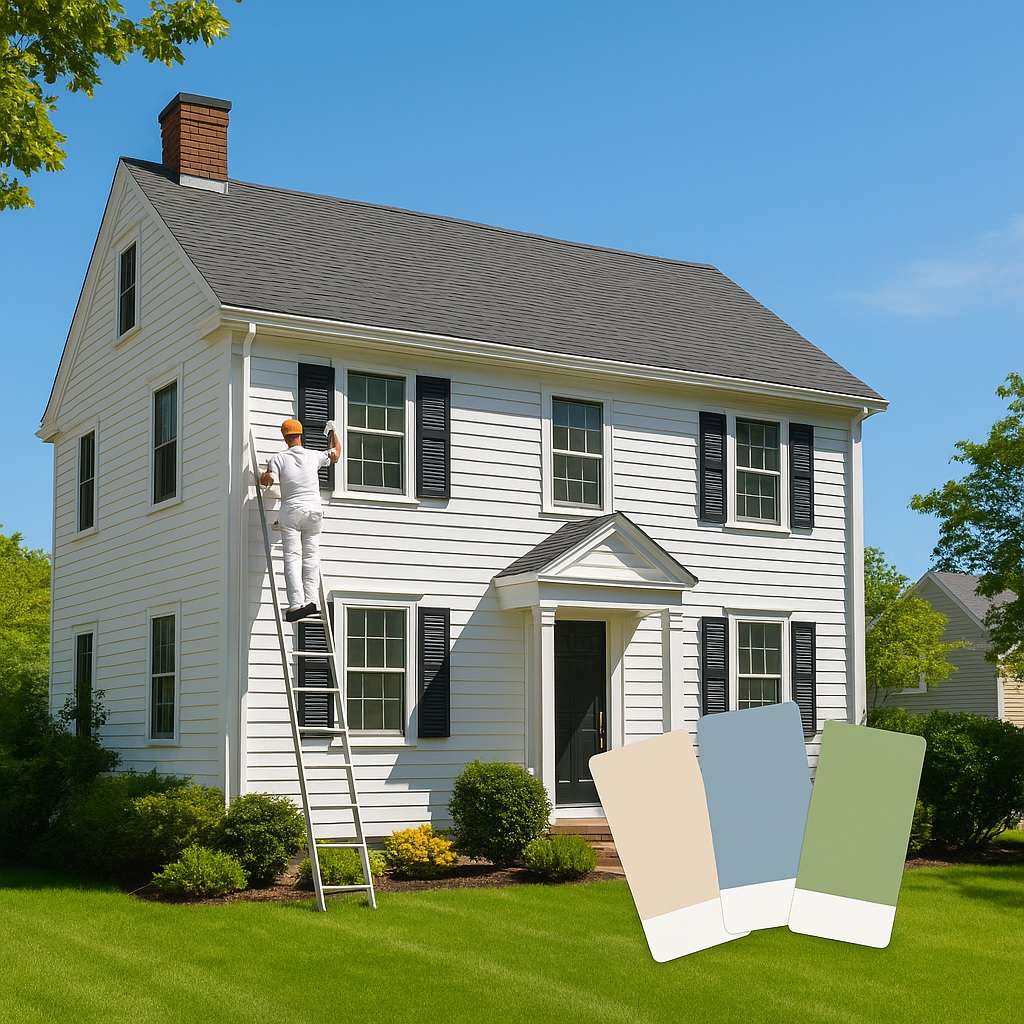
Finding skilled House Painters in Reading MA can feel overwhelming when every contractor promises quality, speed, and value. Yet the right choice comes down to clear evaluation, written standards, and chemistry between homeowner and crew. Whether you are refreshing a single room or repainting the full exterior, selecting the best House Painters in Reading MA protects your investment, boosts curb appeal, and prevents premature peeling or color fade. For a vetted local option, many Reading homeowners turn to House Painters in Reading MA at Cooks Simple Painting for reliable service and professional results.
Why Professional House Painters Matter More Than You Think
Paint is not just color. It is protection against moisture, UV exposure, and seasonal temperature swings common in Massachusetts. A good paint job seals surfaces, slows wood rot, and helps you detect small maintenance issues before they turn costly. Professional painters bring product knowledge, prep discipline, and the equipment needed for tricky architecture, high gables, and New England weathered trim. Cutting corners during prep is the fastest way to shorten the life of the coating system. Paying for expertise up front often saves money over the life of the paint cycle.
Evaluate the Scope Before You Call
Clarify what you need so estimates are comparable.
List All Surfaces
Note exterior siding type, trim, porches, railings, doors, shutters, outbuildings, and detached garages. Inside, list each room, ceiling height, millwork details, built ins, and specialty finishes like stains or glazed cabinets.
Identify Condition Issues
Peeling, failing caulk, hairline cracks in plaster, water stains, smoke residue, or prior oil paint under new latex all affect labor and materials. Provide photos when possible. Honest condition reporting results in more accurate bids and fewer change orders.
Decide on Color Strategy
Are you matching existing colors, refreshing with updated neutrals, or making a full scheme change? Color shifts often require extra coats and primer. Gather inspiration samples now so the estimator is not guessing.
Create a Shortlist of Local Contractors
Working with truly local painters has advantages: easier references, faster site visits, and genuine familiarity with Reading’s housing stock. Use these sources to build your list of three to five candidates.
- Recommendations from neighbors who recently painted.
- Local trade associations or community business groups.
- Verified online review platforms with recent, detailed homeowner comments.
- Visible yard signs from current jobs in Reading or nearby North Shore towns.
- Paint store referrals. Independent Benjamin Moore, Sherwin Williams, or local hardware paint desks often know which crews buy quality coatings regularly.
Record contact info, business tenure, service focus, and first impressions from the initial call.
Essential Credentials to Verify
Never skip credential checks. They tell you as much about business integrity as about skill.
State Registration and License Requirements
Massachusetts requires Home Improvement Contractor (HIC) registration for most residential projects over a minimum threshold. Confirm registration is active and linked to the company name you are hiring.
Insurance
Ask for current Certificate of Insurance showing both general liability and workers compensation. Have it sent directly from the insurer, not a PDF copied from last year. Verify coverage limits are appropriate for the scale of your home.
EPA Lead-Safe Certification
Homes built before 1978 may contain lead paint. Federal law requires EPA RRP (Renovation, Repair and Painting) certification for firms disturbing painted surfaces in pre-1978 housing. Request their firm certificate number and ask how they contain dust, clean surfaces, and dispose of debris.
Better Business Standing
Look for complaint history patterns, not just ratings. Occasional disputes happen in all service industries. Repeated unresolved complaints about hidden charges or unreturned calls are red flags.
What To Ask During the Estimate Visit
Invite each candidate for an in-person walkthrough. Expect them to take moisture readings, inspect failing paint edges, and ask about previous coatings. Use this checklist.
1. Prep Process
Ask exactly how they will prepare each surface: scraping, sanding, feathering edges, spot priming bare wood, caulking joints, and cleaning chalky siding. Good prep descriptions sound specific, not vague.
2. Product System
Request brand, product line, sheen, and number of coats for each substrate. Exterior clapboard may get premium acrylic latex while porch floors need a dedicated floor enamel. Insist the full system is written into the proposal.
3. Crew Size and Onsite Supervision
How many painters will be on site each day? Who is the crew lead? Will the owner check in daily or at milestones? Consistent supervision correlates with cleaner cut lines and fewer surprises.
4. Schedule and Weather Planning
Painting in Massachusetts must work around humidity, spring pollen, and cold snaps. Ask how they stage work and what temperature thresholds they follow for priming and topcoats.
5. Protection of Landscape and Interiors
Quality painters mask shrubs, move patio furniture, and protect walkways. Indoors they cover floors with clean drop cloths, mask fixtures, and use dust barriers. Specifics matter.
6. Daily Cleanup Routine
End-of-day cleanup signals professionalism. Ask whether tools, ladders, and materials are consolidated safely and whether passageways remain clear for your family.
Reading the Estimate: What Must Be in Writing
A professional written proposal builds trust and protects both parties. Review line by line.
| Item | What to Look For | Why It Matters |
| Surface prep steps | Scrape, sand, wash, caulk, prime details | Ensures longevity |
| Product specs | Brand, line, sheen, coats, color codes | Avoids substitutions |
| Repairs | Linear feet of rot repair, patching rates | Controls cost creep |
| Timeline | Start window, estimated duration, weather delays policy | Sets expectations |
| Payment schedule | Deposit, progress draws, final payment terms | Cash flow clarity |
| Warranty | Years of coverage, what fails, exclusions | Real value test |
| Change order process | Written approval before extra work | No surprise invoices |
If language is unclear, request revisions before signing.
Understanding Pricing for House Painting in Reading
Costs vary by square footage, prep intensity, and finish level. Exterior work on older wood homes often runs higher than newer vinyl or composite siding. Multi-story and steep roofs add ladder and staging time. Interior pricing depends on ceiling height, trim complexity, and whether you are changing colors dramatically. Always compare apples to apples. A low bid that omits primer, caulking, or rot repair is not a bargain.
Ask each contractor to price optional add-ons separately. Examples: painting storm doors, staining decks, upgrading to premium washable interior paint, or adding color consultations. Clear separation lets you adjust scope without re-bidding the job.
How Local Climate Influences Paint Choices in Massachusetts
Reading experiences humid summers, freeze-thaw winters, and salt-laden air drifting inland from the coast on windy days. These conditions challenge paint films. Choose high quality 100 percent acrylic exterior paints that stay flexible across wide temperature ranges and resist mildew. For south-facing elevations with high UV exposure, lighter tints can reduce heat stress and color fade. Where snow piles against lower clapboards, demand thorough back-priming of bare replacement boards before installation.
Indoors, winter heating dries the air, which can cause shrinkage at joints. Use an elastomeric or high-performance acrylic caulk on trim seams before painting to reduce cracking lines.
Color Selection Tips That Respect Architecture
Painting is a design decision as much as a maintenance task. Use color to highlight architectural trim without overwhelming the facade.
Historic Colonials and Capes
Stick with classic body colors like soft whites, grays, or muted sages, paired with crisp white or cream trim. Accent front doors with richer colors like navy, barn red, or black-green.
Victorians or Painted Ladies
Multiple accent colors can work if used with restraint. Let the painter map which profiles get each color. Too many unplanned transitions create visual clutter.
Modern Additions
Blend siding tones so new wings read as part of the whole property. Sheen shifts between body and trim can supply contrast without a high-contrast color break.
Many professional painters offer digital mockups or sample brush outs on actual siding. Always view samples in morning and late afternoon light because New England sun angle shifts color perception.
Prep Mistakes That Shorten Paint Life
Even premium paint fails early if the substrate is not stable. Watch for these warning signs.
- Inadequate scraping of loose edges that later bubble.
- Painting damp wood after rain or heavy dew.
- Skipping primer on raw or chalky surfaces.
- Using interior-grade caulk outdoors.
- Applying heavy coats in cool evening temps that trap moisture.
- Coating over mildew without washing with a mildewcide cleaner.
A good crew stages work to avoid these traps. Ask them to explain their moisture testing and dry time standards.
Communication Practices That Keep Projects on Track
Clear communication prevents friction. Agree on these points before work begins.
Daily Status Updates
Short text or email recaps confirm what was completed, what is next, and any weather shifts.
Color Confirmation Form
Sign off on final color names and numbers before ordering paint. One digit off can change an entire palette.
Access Plan
Will the crew need interior access when you are out? Provide lockbox codes, alarm instructions, and areas that are off limits.
Pet and Family Safety
Painters should keep doors closed, secure ladders, and store solvents out of reach. Let them know if you work from home or have napping children so loud sanding can be scheduled thoughtfully.
What a Quality Paint Job Looks Like Up Close
At final walk-through, inspect in natural light and with a bright handheld lamp.
- Uniform coverage with no visible brush marks in finish areas.
- Crisp lines where walls meet trim.
- Full coverage behind gutters, downspouts, and shutters.
- All windows operational, not sealed shut with paint.
- Hardware and fixtures clean, no overspray.
- Debris removed, materials hauled away.
Use the contract checklist to confirm each item. Note punch list items in writing and agree on completion timing before final payment.
Understanding Warranties
Warranties vary widely. Read the fine print.
Labor vs Manufacturer
Most paint manufacturers warrant the coating against defects, not installation errors. Contractor labor warranties cover peeling, blistering, or premature failure tied to application. A one year warranty is common but strong firms may offer two or three years on exterior jobs when proper prep was performed.
What Voids Coverage
Unresolved moisture intrusion, structural shifts, or homeowner-applied touch ups with incompatible products can void coverage. Keep maintenance notes and label leftover paint for future touch ups.
When To Repaint
Average exterior repaint cycles in New England range from five to ten years depending on exposure, prep quality, and product. South and west exposures fail first. Interior repaint timing is more aesthetic. High traffic family rooms and kitchens may need touch ups every few years, while bedrooms last longer.
Do quick seasonal inspections. Look for peeling around window sills, checking in trim boards, mildew streaks at shaded siding, or chalking on sunny elevations. Early intervention often means spot work, not full repaint.
Working With Cooks Simple Painting
Local homeowners looking for a reliable partner often choose Cooks Simple Painting for responsive estimates, clear prep standards, and detailed written proposals that spell out scope and products. The team is known for thorough surface prep, tidy job sites, and attention to New England weather timing. If you want a conversation with experienced House Painters in Reading MA, schedule a consultation through House Painters in Reading MA.
Key Takeaways
- Vet at least three local house painting contractors and compare written proposals line by line.
- Confirm HIC registration, insurance, and EPA Lead-Safe certification for pre-1978 homes.
- Demand detailed prep steps, product specs, and a clear payment schedule in writing.
- Local climate in Massachusetts makes proper moisture testing, primer selection, and weather planning essential.
- Inspect final work in natural and artificial light before releasing final payment.
- Protect your investment by scheduling seasonal inspections and keeping touch up paint labeled.
- For trusted local service, contact Cooks Simple Painting, experienced House Painters in Reading MA.
Your home deserves a finish that lasts. With solid vetting, clear communication, and a proven local crew, you can enjoy fresh color, stronger curb appeal, and worry free maintenance for years.
Frequently Asked Questions
How long should a professional exterior paint job last in Reading, MA?
With proper surface preparation, premium 100‑percent acrylic coatings, and careful timing around New England weather, a high‑quality exterior project should hold up for seven to ten years on most homes. South‑ and west‑facing elevations may need touch‑ups sooner because of stronger UV exposure, while shaded sides often last longer. Annual visual inspections help you catch small issues—such as peeling around window sills—before they demand a full repaint.
What is the best season to hire house painters in Reading, MA?
Late spring through early fall offers the most reliable temperature and humidity ranges for exterior work: daytime highs between 55 °F and 85 °F, lows above 40 °F, and relative humidity below 70 percent. Interior projects can happen year‑round, but winter scheduling often secures shorter lead times and off‑season pricing because painters shift indoors when snow arrives.
Do I really need an EPA Lead‑Safe certified contractor for my pre‑1978 home?
Yes. Federal law requires any firm disturbing more than six square feet of interior or twenty square feet of exterior painted surface in pre‑1978 housing to be EPA Lead‑Safe certified. Certified House Painters in Reading MA follow strict containment, cleanup, and disposal protocols that protect your family from toxic lead dust, meet legal standards, and minimize health risks—especially important if children or pregnant individuals live in the home.