
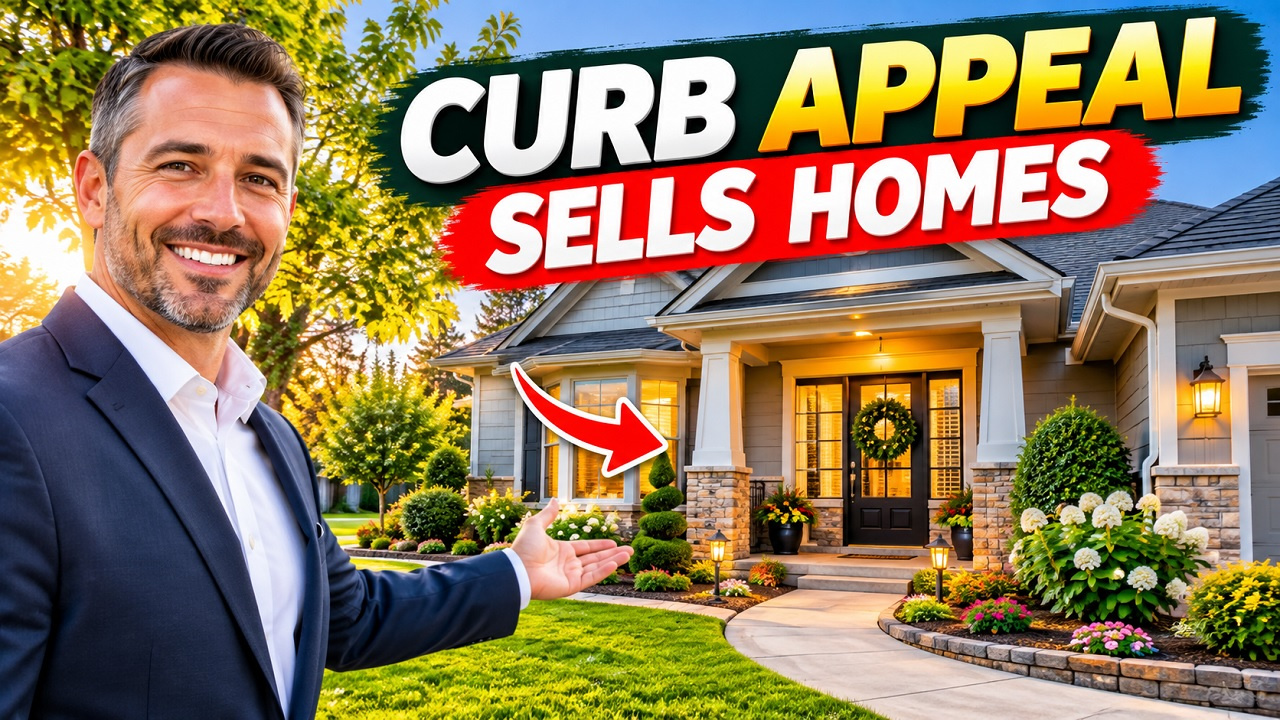
Learn practical curb appeal tips for Murfreesboro home sellers. Improve your lawn, entrance, driveway, and exterior before listing your home.
A buyer often decides whether a Murfreesboro home feels promising before they step through the front door. An overgrown lawn, faded trim, clogged gutters, stained driveway, or neglected porch can make a well-kept interior harder to appreciate. The good news is that most sellers do not need an expensive exterior renovation to make a stronger first impression. With guidance from Eric Keith Realtor in Murfreesboro, homeowners can focus on practical curb appeal improvements that support the listing price, photography, showings, and buyer confidence. Start with repairs, cleaning, landscaping, and a welcoming front entrance before considering larger projects.
TL;DR Curb appeal is the visible condition, cleanliness, and presentation of a home from the street. It matters because potential buyers may drive by before scheduling a showing, and listing photos make the exterior the first image many buyers see online. For most Murfreesboro sellers, the smartest approach is to correct obvious maintenance issues, make the lawn and landscaping look cared for, clean hard surfaces, refresh the front entry, and avoid costly upgrades that do not fit the home or neighborhood.
A recent National Association of REALTORS outdoor-features report found that 92 percent of REALTORS recommend curb-appeal improvements before a home is listed.
- Mow, edge, trim, weed, and remove dead landscaping before photography.
- Pressure wash the driveway, sidewalks, porch, siding, and exterior surfaces where appropriate.
- Make the front entrance clean, safe, well-lit, and easy to notice.
- Repair visible defects such as peeling paint, damaged screens, loose gutters, and broken fixtures.
- Get a local pricing and preparation plan before investing in major renovations.
Quick Answer
The best curb appeal improvements before selling a Murfreesboro house are low-risk, visible upgrades: lawn care, landscape cleanup, exterior cleaning, minor repairs, fresh paint where needed, and a welcoming front door area. Prioritize defects buyers can see immediately, then match cosmetic upgrades to your price point, neighborhood, and expected buyer.
Curb appeal is the overall first impression a property creates from the street, including the yard, landscaping, driveway, exterior walls, roofline, porch, front entry, lighting, and visible maintenance. For sellers, good curb appeal signals that a home has been cared for, while poor exterior presentation can cause buyers to question the condition of areas they cannot see.
Why Curb Appeal Matters in Murfreesboro
Murfreesboro buyers have a meaningful selection of homes to compare. Realtor.com reports roughly 1,700 active listings in the area, while its local market information places the median listing price near $482,500 and the median time on market at about 50 days. In that environment, a home does not have to be perfect, but it should look cared for and appropriately priced from the moment buyers see it online or drive past it.
Curb appeal affects more than a buyer’s first impression. It can influence:
- Whether a buyer requests a showing after seeing the listing photos
- How buyers emotionally frame the rest of the viewing
- Whether the home appears move-in ready or likely to require hidden repairs
- The perceived relationship between the asking price and the home’s condition
- The quality of exterior listing photographs and video tours
- Buyer confidence during an offer decision
A neat exterior cannot compensate for an overpriced home, a poor inspection result, or a weak marketing plan. However, it can remove an avoidable objection before the buyer enters the property.
Quick Summary
Curb appeal does not mean expensive landscaping or a complete exterior remodel. It means making the home look clean, maintained, safe, and easy for a buyer to picture as their own.
Is Murfreesboro a buyers market
Market conditions vary by neighborhood, price range, property type, and condition. Current market data describes Murfreesboro as broadly balanced rather than strongly tilted toward buyers or sellers, with homes reportedly selling near 100 percent of asking price in the latest market summary. That makes presentation important. A polished home can compare more favorably with similar listings, while a neglected exterior may give buyers a reason to wait for another option.
What is the average home price in Murfreesboro
Several sources use different calculations, so sellers should avoid treating one citywide number as a personal valuation. Zillow reports an average Murfreesboro home value of $426,156, while Redfin reported a median sale price near $430,000 and Realtor.com reported a median listing price around $482,500. Your home’s likely value depends on its precise location, square footage, age, lot, condition, upgrades, comparable sales, and current competition.
The Highest Impact Improvements
The best improvements are normally the ones a buyer sees quickly and understands without explanation. Start with cleaning, maintenance, and safety. Then make modest cosmetic updates that fit the property.
| Improvement | Why buyers notice it | Typical priority before listing | Avoid this mistake |
|---|---|---|---|
| Lawn mowing and edging | Creates immediate order and care | High | Mowing once but leaving weeds and uneven edges |
| Shrub trimming and bed cleanup | Makes the structure of the home more visible | High | Cutting plants too aggressively shortly before photos |
| Pressure washing | Removes grime from concrete, siding, and walkways | High | Damaging surfaces with excessive pressure |
| Front door refresh | Creates a clear focal point at the entry | High | Choosing a color that clashes with the exterior |
| Exterior light replacement | Improves security and evening appearance | Medium to high | Installing mismatched fixtures |
| Mulch and seasonal plants | Adds definition and controlled color | Medium | Using too many colors or high-maintenance plants |
| Driveway repair | Reduces concern about neglect and safety | High if visibly damaged | Covering major cracks without evaluating the cause |
| Full exterior repaint | Can transform a visibly worn home | Conditional | Painting only to follow a trend that does not fit the house |
| Major landscaping redesign | May help specific properties | Conditional | Spending heavily without checking neighborhood expectations |
National Association of REALTORS research found that landscaping, lawn care, and exterior projects are common areas where real estate professionals recommend improvement before sale.
Start with a curbside audit
Stand across the street from your home during daylight. Take a photo at eye level and view it on your phone. Then ask practical questions:
- Can I clearly see the house number?
- Does the front door look easy to find and inviting?
- Is the lawn maintained, edged, and free of visible weeds?
- Are trees, shrubs, and vines hiding windows, gutters, or walkways?
- Is there peeling paint, damaged siding, missing trim, or a broken mailbox?
- Is the driveway stained, cracked, cluttered, or blocked by bins?
- Are outdoor lights, railings, steps, and paths safe?
- Would a buyer assume this house has been maintained?
This exercise often identifies low-cost tasks with more value than speculative upgrades.
Prepare the Lawn and Landscaping
Landscaping does not need to look like a garden show. It needs to look intentional, tidy, and suitable for the home. Buyers commonly respond well to visible lawn care because it signals routine maintenance and reduces the amount of work they imagine after moving in.
Lawn preparation checklist
- Mow the lawn shortly before listing photos and before key showings.
- Edge along sidewalks, curbs, driveways, and planting beds.
- Pull obvious weeds from flower beds and cracks in hardscaping.
- Rake leaves, remove fallen branches, and clear pet waste.
- Trim shrubs away from windows, walkways, HVAC equipment, and entry paths.
- Remove dead plants, failing bushes, broken landscape borders, and empty planters.
- Add fresh mulch only after cleaning and weeding the beds.
- Water responsibly if seasonally appropriate, without creating mud or pooling water.
- Keep hoses, lawn tools, bags of soil, and bins out of view.
Landscaping improvements that attract buyers
Simple landscaping improvements often work best because they make the property feel maintained without imposing a highly personal style. Consider fresh mulch, defined bed edges, trimmed shrubs, healthy grass, and a limited number of potted plants near the entry.
In Middle Tennessee, seasonal weather can make lawns and beds look uneven. If the grass is dormant or stressed, do not try to disguise it with excessive décor. Focus on clean edges, debris removal, trimmed vegetation, and healthy-looking focal points near the front entrance.
Quick Summary
Buyers do not need a complicated landscape design. They need to see a yard that looks manageable, clean, and consistent with the home’s price point.
What most sellers misunderstand about landscaping
Community discussions about curb appeal repeatedly emphasize that buyers notice basic care before they notice expensive features. The recurring advice is to mow, edge, trim overgrown shrubs, remove clutter, and make the property photograph well rather than spending thousands on elaborate landscaping.
The mistake is treating landscaping as decoration only. It also affects visibility, safety, drainage, exterior maintenance, and the perceived scale of the home. A shrub covering half a window can make a facade look darker and smaller. A neglected bed can make buyers wonder whether other maintenance has been deferred.
Improve the Front Entrance
The front entrance is one of the highest-value areas to prepare because it is where buyers pause, wait for access, take photos, and form a close-up opinion of the property. A clean, functional entry tells buyers the home is ready to welcome them.
Front entrance priorities
| Area | What to check | Sensible action |
|---|---|---|
| Front door | Fading paint, scuffs, sticking, damaged hardware | Clean, touch up, repaint if necessary, and ensure it opens smoothly |
| House numbers | Hard to find, old, mismatched, or damaged | Use visible, consistent numbers that can be read from the street |
| Porch light | Burned-out bulbs, dated fixture, poor illumination | Replace bulbs and repair or update damaged fixtures |
| Door hardware | Rust, loose handle, worn lockset | Tighten, clean, or replace with coordinated hardware |
| Welcome mat | Dirty, curled, faded, or overly personalized | Use a clean, simple, neutral mat |
| Porch surface | Dirt, leaves, cobwebs, stains, peeling paint | Sweep, wash, and repair visible defects |
| Railings and steps | Loose parts, chipped paint, trip hazards | Repair for safety before photography and showings |
| Planters | Dead plants, empty pots, cluttered decorations | Use a restrained number of healthy plants or remove them |
Why the front entrance matters so much
The entry serves as a transition between the public street and the private home. Buyers often wait there while an agent opens the lockbox or keybox. That short pause gives them time to notice scuffed paint, dirty glass, loose railings, cobwebs, stains, and outdated fixtures.
A new door is not always necessary. Often, a deep clean, a smooth-functioning lock, a fresh coat of paint, a working light, and restrained styling create the result sellers need.
Fix Exterior Maintenance Issues
Before buying a home, buyers are already thinking about future repairs. Obvious exterior defects can make them worry that the property may have more serious issues inside or behind the walls.
Exterior issues that discourage buyers
- Peeling or flaking paint
- Rotting wood trim, fascia, or porch boards
- Loose, missing, or damaged gutters and downspouts
- Visible water stains near the roofline or exterior walls
- Broken window screens or cracked panes
- Damaged shutters, siding, soffits, or vent covers
- Loose handrails and unsafe steps
- Dead exterior light fixtures or exposed wiring
- Cracked walkways that create a trip hazard
- Missing house numbers or a damaged mailbox
- Overgrown vegetation touching siding or rooflines
- Exterior clutter such as unused furniture, construction materials, or old planters
A seller should not hide structural or safety defects with cosmetic shortcuts. If you see signs of roof leaks, drainage failures, substantial cracking, wood rot, or electrical concerns, consult an appropriate qualified professional. Sellers also should follow applicable Tennessee disclosure requirements and obtain advice tailored to their circumstances.
Quick Summary
Cosmetic improvements can strengthen a listing. They should never be used to conceal defects, avoid needed repairs, or replace sound disclosure practices.
Common curb appeal mistakes
- Over-improving beyond the neighborhood
A luxury landscaping project may not return its cost if comparable homes do not support that level of investment. - Ignoring basic maintenance while adding décor
New planters cannot offset broken gutters, peeling trim, or an unkempt lawn. - Using overly personal design choices
Bold colors, novelty decorations, large flags, excessive seasonal items, or highly specific themes can distract buyers. - Forgetting listing photography
Curb appeal should be ready before professional photos, not only before an open house. - Leaving bins and vehicles in front of the home
They can obstruct the façade and make exterior photos look crowded. - Creating a high-maintenance landscape
Buyers may see complicated plantings as future work and cost. - Spending before consulting a local real estate professional
A local agent can help identify what buyers in that specific market and price range are likely to value.
Clean the Driveway Porch and Exterior
Deep cleaning is one of the most cost-effective ways to improve exterior presentation. Dirt, mildew, cobwebs, leaves, oil stains, and accumulated clutter can make a house seem neglected even when it is structurally sound.
Exterior cleaning checklist
- Wash or pressure wash the driveway, sidewalks, porch, and patio when safe for the materials.
- Clean the front door, sidelights, windows, and storm door.
- Remove cobwebs from entry lights, porch ceilings, railings, and corners.
- Clear leaves and debris from gutters where safe and appropriate.
- Clean or replace damaged screens.
- Wipe exterior light fixtures and replace burned-out bulbs.
- Remove oil stains from the driveway using a suitable product.
- Store bins, hoses, lawn equipment, toys, and tools out of sight for photos and showings.
- Clean the mailbox and replace it if it is visibly leaning, broken, or rusted.
- Verify that downspouts direct water away from the foundation.
Driveway and walkway decisions
A dirty or cluttered driveway is a fast visual negative because it occupies a large area in exterior photos. Cleaning it makes the lot appear more open and can make the whole front elevation look brighter.
Do not assume every crack requires full replacement. Small cosmetic cracks may be managed differently from major settlement, drainage, or safety concerns. Ask a qualified contractor when the condition appears significant, and discuss the best marketing approach with your real estate agent.
What to Prioritize Before Major Renovations
Sellers often ask whether they should spend money on large upgrades before listing. The answer depends on the home, neighborhood, competition, condition, timeline, and expected sale price. In many cases, cleaning, repairs, paint touch-ups, landscaping, and professional marketing provide a better first use of the preparation budget than a major renovation.
Priority framework for Murfreesboro sellers
| Priority level | Focus | Examples | Why it matters |
|---|---|---|---|
| First | Safety and visible defects | Loose railings, damaged steps, missing lights, exposed wires | Reduces buyer concern and potential showing obstacles |
| Second | Maintenance and cleanliness | Gutter repairs, paint touch-ups, pressure washing, weed removal | Signals care and supports a move-in-ready impression |
| Third | Front entry and landscape presentation | Door refresh, mulch, trimmed shrubs, house numbers | Improves first impression and listing photos |
| Fourth | Value-appropriate cosmetic updates | Updated fixtures, coordinated planters, minor hardscape repair | Helps the home compare well with local competition |
| Last | Major discretionary projects | Full remodel, extensive redesign, luxury landscaping | Needs a local return-on-investment assessment |
The National Association of REALTORS noted that professionals frequently recommend curb appeal improvements, and its outdoor-features report identifies strong seller interest in landscaping and lawn care projects. That does not mean every outdoor upgrade will produce the same return for every property.
When should you spend more
Larger exterior work may be sensible when:
- A visible defect will likely concern buyers or appear in inspections.
- Competing homes in the same price range present significantly better.
- The exterior condition does not match the quality of the interior.
- A dated or deteriorated exterior could prevent strong listing photography.
- The improvement resolves a safety, drainage, or functional concern.
- Your local agent can support the decision with comparable listings and buyer feedback.
When should you hold back
Avoid major spending when:
- The project is highly personalized.
- You may not recover the cost through stronger buyer interest or pricing.
- The work could delay listing during a favorable selling window.
- The improvement exceeds neighborhood norms without addressing more basic needs.
- You have not compared the project cost with a price adjustment strategy.
What a Murfreesboro Realtor May Recommend
A knowledgeable Murfreesboro real estate professional should begin with the property’s actual competition, not a generic list of upgrades. The right recommendation for a 3-bedroom townhouse will differ from the strategy for a historic home, new construction property, acreage home, or a house in a higher-priced subdivision.
Eric Keith’s Murfreesboro service page describes assistance for buyers, sellers, homeowners, landowners, and investors, including guidance related to buying, selling, land, acreage, and property values. Before listing, sellers can ask for a property-specific walkthrough and a comparative market analysis.
Questions to ask during a seller consultation
- Which exterior issues are most likely to hurt this home against nearby competition?
- What do comparable listings do better from the street?
- Should I repair, clean, repaint, replace, or simply disclose this issue?
- Which improvements will strengthen the listing photography?
- What should I complete before the comparative market analysis and pricing discussion?
- Is professional staging appropriate for the porch, entry, or outdoor living areas?
- Should I arrange professional photography and aerial photography where appropriate?
- Which buyer groups are most likely to consider this neighborhood and property type?
- What is the recommended listing price range after considering condition and competition?
- What marketing costs, seller fees, commission structure, and preparation timeline should I expect?
A specific commission rate, marketing fee, recent sales performance, current availability, listing inventory, MLS status, or buyer representation cost should be confirmed directly with Eric Keith because those details can change and may depend on the listing agreement, property, market conditions, and the services requested.
Quick Summary
The most useful pre-listing advice is local and property-specific. Ask for a walkthrough, comparable-sales analysis, and a ranked list of repairs or improvements before committing to major expenses.
People Also Ask
Who is the best realtor to sell your house
The best Realtor for a seller is not simply the person with the biggest advertising claim or the lowest quoted fee. Look for someone who understands your property type, target buyer, neighborhood competition, pricing data, local disclosures, marketing plan, photography strategy, negotiation approach, and communication preferences.
Interview more than one professional if needed. Ask each agent to explain the recommended price range, comparable sales, current competing listings, preparation priorities, marketing channels, showing plan, fee structure, cancellation terms, and communication process. The best choice is the one who gives clear, supportable advice and can explain why the plan fits your home.
What percentage do most realtors get for selling a house
Real estate commission is not a universal fixed percentage. It is negotiable and can vary based on location, services, property type, listing price, market conditions, marketing needs, and the agreement between the seller and brokerage. Sellers should ask for a written explanation of total fees, what the listing broker provides, whether compensation for a buyer’s agent is included or separately negotiated, marketing expenses, administrative costs, and any cancellation terms.
Do not select an agent solely by commission. A lower fee does not automatically produce a better financial outcome if the marketing, pricing, negotiation, communication, or preparation strategy is weak.
What are the top things to do before selling your house
The top pre-listing tasks are to evaluate pricing, complete needed repairs, declutter, deep clean, improve curb appeal, prepare for photography, address safety issues, organize documents, create a showing plan, and understand the listing agreement. Start with items buyers will notice immediately or that may create inspection concerns.
For curb appeal, that means lawn maintenance, landscape cleanup, exterior cleaning, front-door preparation, functioning lights, safe walkways, and removal of outside clutter. Then have a local professional help rank the remaining projects according to your home’s condition and current competitors.
What devalues a house the most
Property value is influenced by location, market conditions, condition, layout, lot characteristics, comparable sales, and buyer demand. From a seller’s perspective, some of the most damaging issues are major deferred maintenance, water intrusion, roof or foundation problems, severe functional obsolescence, visible damage, poor pricing, and a condition that falls well below comparable properties.
A worn exterior alone does not determine value, but it can reduce interest and make buyers assume more serious problems exist. The objective is to resolve material concerns where appropriate, present the home honestly, and price it based on real local evidence.
What is the most common reason a property fails to sell
The most common reason a property does not sell is a mismatch between its price, condition, and market competition. Even a well-marketed home can struggle if buyers believe comparable options offer more value. Poor photos, restricted showing access, unresolved maintenance problems, limited visibility, and unappealing curb appeal can make the problem worse.
Sellers should monitor feedback after showings, track competing listings, revisit pricing objectively, and make practical adjustments. A local comparative market analysis can help identify whether the issue is the price, property condition, marketing, timing, or a combination of factors.
Frequently Asked Questions
How important is curb appeal when selling a house in Murfreesboro
Curb appeal is important because it affects the first impression buyers form online and in person. A Murfreesboro buyer may scroll past a listing with weak exterior photos, drive by before requesting a showing, or compare several similar homes in the same weekend. A maintained exterior gives the home a stronger chance to earn a showing and makes buyers more receptive when they walk inside. It should not be treated as a substitute for accurate pricing, quality photography, needed repairs, clean interiors, proper disclosures, or responsive listing management. Instead, curb appeal is part of the entire selling strategy. The strongest approach is to remove visible maintenance concerns, clean the exterior, improve the entry, maintain the lawn, and use local market data to decide whether additional spending makes sense.
What are inexpensive curb appeal upgrades before selling
Low-cost curb appeal upgrades usually include mowing and edging the lawn, weeding beds, trimming shrubs, sweeping the porch, pressure washing hard surfaces, cleaning windows, replacing burned-out bulbs, removing clutter, refreshing mulch, cleaning the mailbox, and repainting a worn front door or trim where needed. The key is not to add as many upgrades as possible. It is to remove signs of neglect. A clean driveway, neat lawn edge, working porch light, clean entry glass, tidy plants, and visible house numbers can make a substantial difference in listing photos and in-person showings. Before spending money, take photos from the street and ask a local agent which improvements will matter most for your buyer and price range.
Should I replace my front door before listing my home
A full front-door replacement may be worthwhile if the door is damaged, unsafe, warped, severely outdated, difficult to operate, or clearly inconsistent with the home’s expected price point. However, replacement is not always necessary. Many sellers can achieve a better result by cleaning the door, repairing hardware, addressing weather stripping, repainting it, installing a functioning light, and keeping the surrounding porch tidy. The decision should be based on condition and local competition. If similar homes in your market have inviting, well-maintained entries and yours looks visibly worn, improving it can be sensible. If the door is functional and structurally sound, a modest refresh may be enough. A pre-listing consultation can help determine whether replacement will realistically support buyer interest or pricing.
What should I not do before selling my house
Avoid making expensive, highly personalized improvements without understanding whether buyers in your market will value them. Do not ignore safety issues, hide damage, defer basic maintenance, overcrowd the exterior with décor, leave clutter visible for photography, or list before the home is clean and ready for showings. Also avoid guessing at the asking price. Pricing too high can reduce early interest, which is often strongest when a listing is new. Do not make major changes based solely on broad online advice. A local agent should help you compare your property with recent sales and active competition, decide what to repair or disclose, prepare the listing, and select a pricing and marketing strategy that fits current conditions.
The most effective curb appeal plan is usually practical, not extravagant. Murfreesboro sellers should focus first on visible maintenance, lawn care, exterior cleaning, driveway presentation, safe walkways, and a welcoming front entrance. These improvements help a home look cared for in listing photos and during showings, reducing doubts before buyers see the interior. Before investing in major renovations, review comparable homes, expected buyer preferences, and pricing strategy with a local real estate professional. A targeted plan can protect your budget while helping your home compete more effectively.
Key Takeaways
- Curb appeal shapes the first impression buyers form online and at the property.
- Lawn care, trimming, weeding, cleaning, and minor repairs should come before decorative upgrades.
- The front door, porch, lighting, house numbers, driveway, and walkway deserve close attention.
- Fix visible exterior maintenance issues rather than trying to cover them with cosmetic details.
- Avoid over-improving the property beyond neighborhood expectations.
- Use a comparative market analysis to decide whether major spending is justified.
- Confirm commission, marketing services, photography, staging, availability, and seller costs directly with the selected real estate professional.