
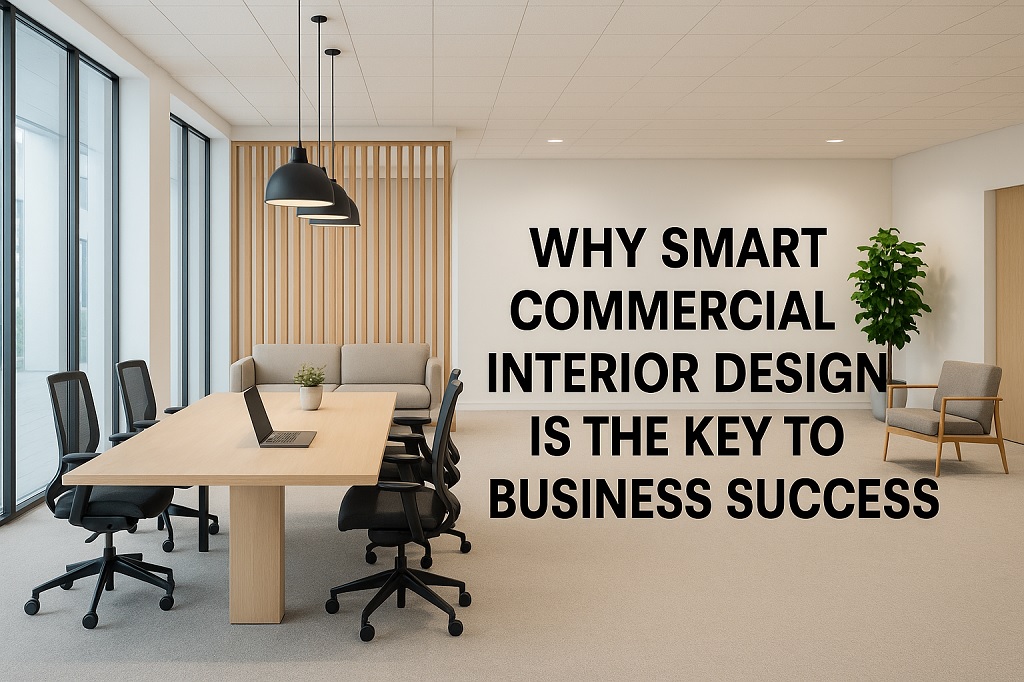
The Overlooked Power of Design
When people think about business success, they usually picture sharp strategies, innovative products, or relentless marketing. But here’s the twist—commercial interior design plays just as critical a role. In fact, commercial interior design can either fuel productivity and brand loyalty or quietly drain a company’s potential. The office is no longer just a place to work; it’s a reflection of culture, creativity, and ambition. Smart design doesn’t just look good, it actively drives results.
The Link Between Space and Productivity
Think about the last time you walked into a cluttered, poorly lit office. Did you feel energized? Probably not. Studies consistently show that well-designed spaces can improve focus, reduce stress, and boost employee satisfaction.
- Natural light reduces fatigue and eye strain.
- Open layouts encourage collaboration, while quiet zones provide focus.
- Ergonomic furniture cuts down on health complaints.
So when a company invests in thoughtful design, it’s not just redecorating—it’s optimizing human performance.
Brand Identity Expressed Through Design
An office is a silent ambassador of a brand. When clients step inside, they instantly absorb the company’s personality. Is it bold and innovative? Or traditional and trustworthy? Smart commercial interior design translates abstract values into tangible experiences.
For example, a tech startup might use open spaces, vibrant colors, and writable walls to showcase creativity. A law firm, on the other hand, may lean into polished wood finishes and private meeting rooms to project authority and discretion.
Design That Attracts and Retains Talent
Here’s the thing—employees spend a third of their lives at work. If the environment feels uninspiring or even uncomfortable, they’ll eventually leave. A thoughtfully designed office sends a message: we care about you, your comfort, and your growth here.
- Flexible spaces give teams freedom to choose how they work best.
- Wellness-driven features like biophilic design and relaxation zones keep energy high.
- Tech integration ensures seamless work, which is vital in hybrid office models.
When people enjoy coming to the office, turnover drops, morale rises, and recruiting gets a lot easier.
The Financial Payoff of Smart Design
Some leaders hesitate at the cost of professional design services. But the truth is, it’s an investment that pays for itself. Consider these financial advantages:
- Increased productivity leads directly to higher revenue.
- Reduced absenteeism lowers hidden costs.
- A polished office environment leaves clients with lasting confidence, often influencing deal outcomes.
Put simply, smart commercial interior design drives both employee performance and customer perception, which are two cornerstones of profitability.
Trends Shaping the Future of Office Design
The modern office is evolving quickly, influenced by remote work, technology, and changing employee expectations. Businesses embracing these design trends are positioning themselves for long-term success:
- Hybrid workspaces: Blending physical and digital setups to accommodate flexible schedules.
- Sustainable design: Using eco-friendly materials to meet rising environmental standards.
- Activity-based layouts: Allowing staff to choose between collaboration areas, solo work pods, or lounge spaces.
- Technology integration: Smart lighting, digital whiteboards, and automated systems.
These aren’t just “nice-to-have” trends—they’re shaping the standard for what employees now expect.
Why Professional Guidance Matters
It might be tempting to handle design internally, but the reality is, expertise makes a world of difference. Professionals like Nathan Koh Interior Design bring strategy, creativity, and technical precision to the table. They don’t just decorate; they craft environments that align with a company’s goals, workflow, and brand identity. And because they understand regulations, ergonomics, and space optimization, businesses save time, money, and countless headaches in the long run.
Key Takeaways
- Commercial interior design is more than aesthetics—it directly impacts productivity, culture, and profitability.
- Workspaces shape employee behavior—the right design can boost focus, collaboration, and morale.
- Smart design attracts talent and clients, reinforcing brand values in tangible ways.
- Trends like hybrid setups, wellness features, and sustainability are becoming non-negotiable in modern offices.
- Professional expertise ensures long-term success, preventing costly mistakes and maximizing every square foot.
The Silent Driver of Business Growth
At the end of the day, smart commercial interior design is not just about making a workplace look attractive. It’s about creating spaces that inspire people, impress clients, and push the business toward growth. An office designed with intention becomes a living, breathing asset—one that supports strategy, shapes culture, and ultimately secures success.
What is commercial interior design, and why does it matter for my business?
Commercial interior design focuses on crafting spaces—like offices, retail stores, hospitality venues—that are both functional and visually compelling. It blends spatial planning, branding, workflow optimization, and customer or employee experience into a unified environment. This isn’t just about aesthetics: well-designed commercial interiors can boost employee productivity, enhance customer engagement, and reflect your brand identity in tangible ways.
What are the essential stages involved in a successful commercial interior design project?
A robust project typically unfolds in several key phases:
Initial Consultation & Needs Assessment: Understanding your goals, brand, space requirements, and workflow needs.
Space Planning & Concept Development: Mapping out efficient layouts and visual themes that align with your brand and operations.
Design Development & Material Selection: Fine-tuning the concept with specific materials, finishes, furniture, lighting, and decor.
Documentation, Permits & Project Management: Preparing technical drawings, securing approvals, and coordinating all parties to execute the project.
Construction Oversight & Project Closeout: Monitoring implementation, ensuring quality, and performing a final walkthrough for client satisfaction.
This phased approach helps ensure the design is practical, on-brand, and smoothly executed from concept to completion.
How can I choose the right commercial interior design firm? What should I look for?
Choosing the right design partner is crucial. Here are a few must-ask questions:
Do they have experience in your industry? A firm well-versed in businesses similar to yours can better anticipate unique operational needs.
How do they manage projects and communicate? Understanding their approach to timelines, budget transparency, and client collaboration is essential.
Can they handle challenges proactively? Ask about their process for dealing with unexpected setbacks—communication and problem-solving matter as much as aesthetics.